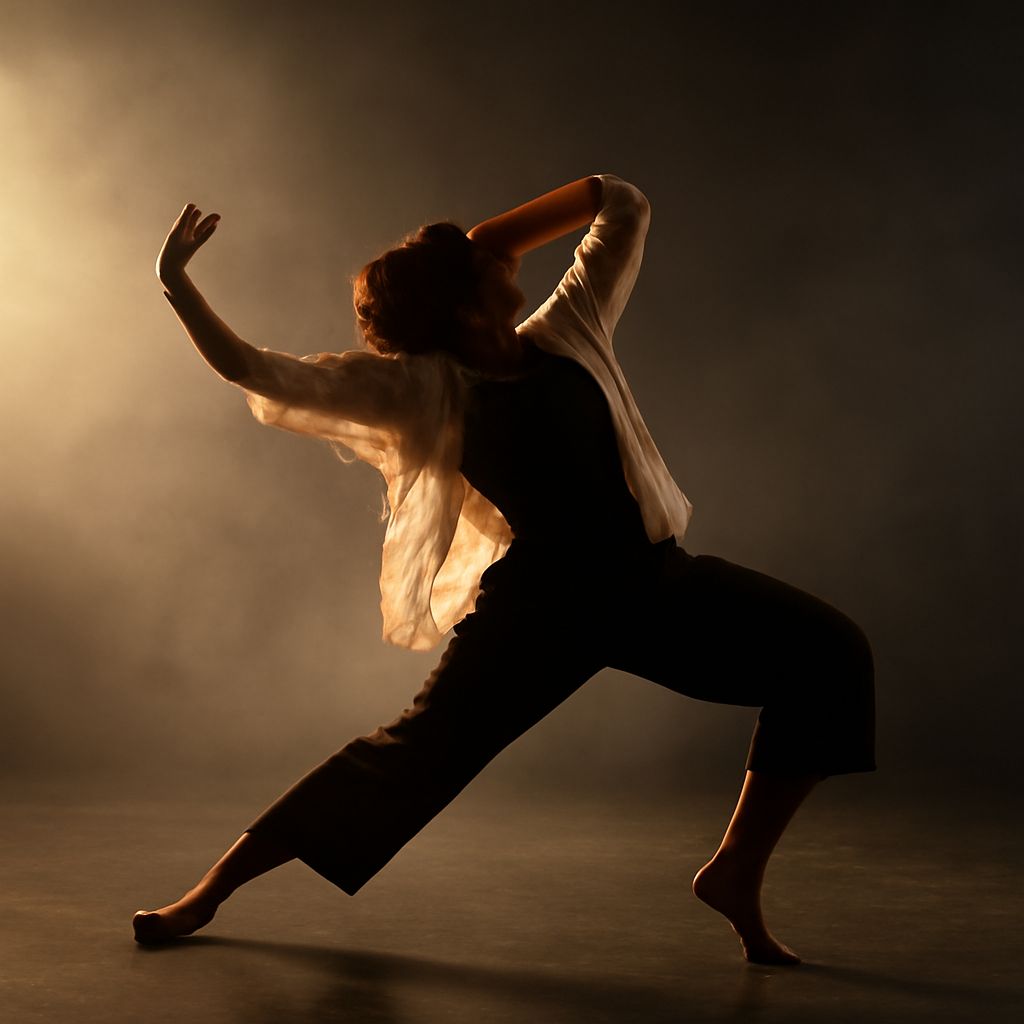
Choosing from the top dance colleges in the United States requires understanding what these institutions offer, how they differ, and what matters most for your training and career goals. With a range of programs for ballet, modern, jazz, and commercial dance, colleges with dance majors serve students seeking both professional performance and multidisciplinary education. This guide helps clarify the dance college landscape, highlights leading programs, and offers practical advice for selecting and applying to the right college for your aspirations.
Understanding dance colleges and what they offer
Dance colleges provide specialized programs designed to prepare students for careers in dance performance, choreography, education, and related fields. Most colleges with dance majors offer a Bachelor of Fine Arts (BFA), Bachelor of Arts (BA), or Bachelor of Science (BS) degree, each with different emphases. A BFA in Dance typically focuses on intensive studio practice and performance training, while a BA or BS allows for more academic coursework or double majors alongside dance studies.
Colleges with dance majors usually offer concentrations such as ballet, modern/contemporary, jazz, choreography, commercial dance, or dance education. Some programs integrate interdisciplinary study, allowing students to combine dance with fields like theater, kinesiology, or arts administration. Facilities often include dedicated studios, black box theaters, and access to guest artist residencies or master classes.
Dance colleges vary in size and culture. Conservatories like The Juilliard School offer highly focused, audition-based environments, while large universities such as University of Michigan provide broad campus experiences with robust dance departments. Many programs emphasize performance opportunities, technique classes, creative development, and academic study of dance history, anatomy, and pedagogy.
Graduates of dance colleges often pursue professional performance, choreography, dance education, arts administration, or related careers. Alumni networks and industry connections differ by school, so researching each program’s placement record and professional partnerships can help you gauge outcomes beyond graduation.
Top dance colleges in the United States
Several dance colleges consistently rank among the best in the nation for quality of training, faculty expertise, facilities, and alumni success. Each offers distinct strengths, making it important to align program features with your own goals and interests.
- The Juilliard School (New York, NY): Known for its rigorous conservatory approach, Juilliard offers a BFA in Dance with an intensive focus on both ballet and modern techniques. The program features world-class faculty and regular collaborations with leading choreographers and companies.
- New York University Tisch School of the Arts (New York, NY): NYU Tisch is renowned for contemporary dance and choreography, providing students with abundant performance opportunities and access to New York’s professional dance scene.
- University of North Carolina School of the Arts (Winston-Salem, NC): UNCSA offers conservatory-style training in ballet and contemporary dance, along with strong support for student choreography and professional development.
- University of Michigan (Ann Arbor, MI): This large public university boasts a nationally recognized dance department with strengths in modern dance, choreography, and interdisciplinary collaboration across the arts.
- Point Park University (Pittsburgh, PA): With one of the country’s most versatile undergraduate dance programs, Point Park is noted for its commercial dance, jazz, and ballet concentrations, as well as strong industry ties.
- Boston Conservatory at Berklee (Boston, MA): The Boston Conservatory offers conservatory-level dance training in ballet and modern, with an emphasis on performance and professional readiness.
- University of California, Irvine (Irvine, CA): UC Irvine’s Department of Dance provides a broad-based education that combines technique training with research and academic coursework, appealing to students looking for flexibility and academic rigor.
Other reputable colleges with dance majors include Fordham University (in partnership with the Alvin Ailey American Dance Theater), Indiana University, Florida State University, and SUNY Purchase College. Each program offers a unique blend of technique, creative development, and professional preparation.
Key factors to consider when choosing a dance program
Finding the right dance college begins with identifying your goals and evaluating how well prospective programs align with them. Several key factors should guide your decision process:
Degree Type and Focus: Consider whether you want a conservatory-style environment (usually BFA) with intensive dance training, or a program that allows for broader academics (BA or BS). Some colleges with dance majors also offer minors or double-major options for students interested in combining dance with other fields.
Dance Styles and Curriculum: Research which dance styles are emphasized, such as ballet, modern, jazz, or commercial dance. Review course offerings, performance opportunities, choreography labs, and electives in areas like dance science, pedagogy, or arts leadership.
Faculty and Industry Connections: Investigate the faculty’s professional backgrounds and whether they maintain active ties to the dance industry. Programs with regular guest artists, residencies, or partnerships with professional companies often provide valuable networking and learning experiences.
Facilities and Performance Opportunities: High-quality studios, theaters, and production support can shape your training experience. Consider the number and variety of annual performances, chances to perform student choreography, and access to research or internship opportunities within or outside the college.
Alumni Outcomes: Review where graduates work after completing their degrees—major dance companies, Broadway, teaching positions, or related fields. Strong alumni networks and support for career placement can be significant advantages.
How to apply to colleges with dance majors
The application process for dance colleges typically requires both academic and artistic components. Most programs ask for a standard college application alongside a dance-specific audition. Understanding each step can help you prepare effectively:
Academic Application: Submit academic transcripts, test scores (if required), letters of recommendation, and personal essays through the college’s admissions portal or a centralized application such as the Common App. Be prepared to discuss your interest in dance and how it fits within your broader educational goals.
Dance Audition: Most colleges with dance majors require an audition, which may be in-person, virtual, or through a pre-recorded video. Auditions typically include a technique class (ballet, modern, or jazz), a solo performance, and sometimes improvisation or interview segments. Review each program’s audition guidelines carefully, as requirements vary.
Supplemental Materials: Some programs request a dance résumé, headshot, video reels, or a portfolio showcasing choreography or research. Prepare these materials early and tailor them to highlight your strengths and interests relevant to each school.
Deadlines and Preparation: Audition and application deadlines can differ from general university timelines, with some schools holding auditions as early as the fall of senior year. Plan ahead, register for audition dates, and reach out to admissions or dance faculty with any program-specific questions. Attending campus visits, open houses, or summer intensives can also help you assess program fit and demonstrate interest.
Applying to dance colleges is competitive and requires careful preparation, but understanding the process and requirements will help you approach each step with confidence and clarity.
